
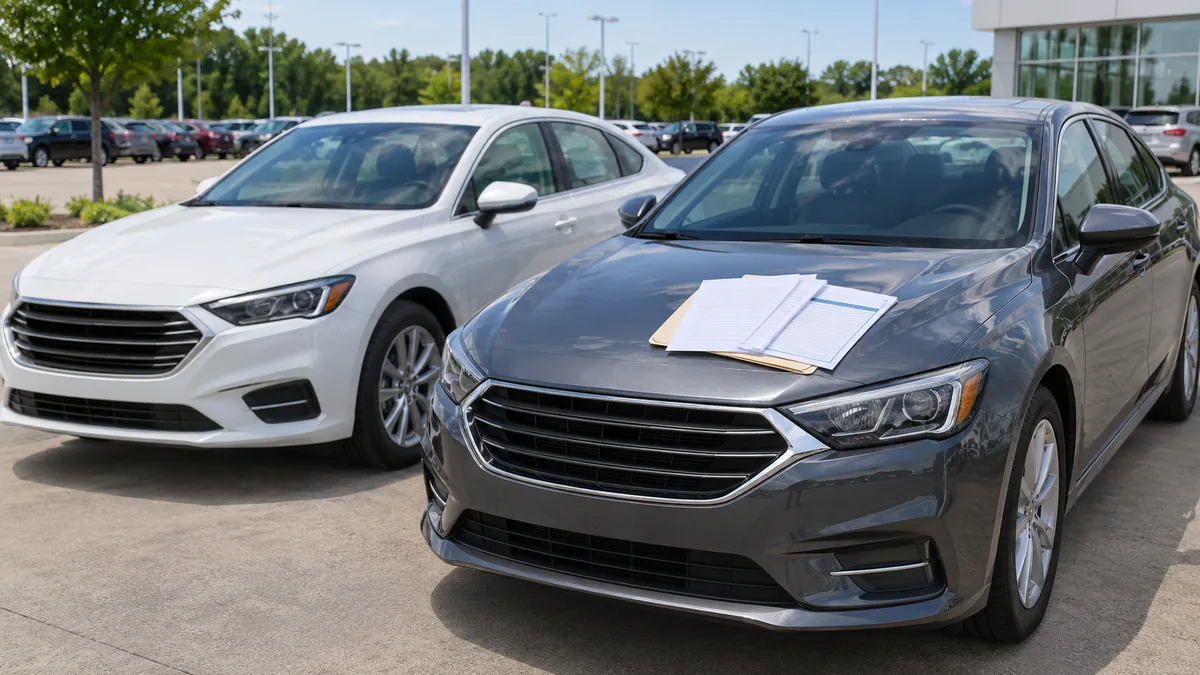
A clean title is a title with no brand from the state that issued it, while a branded title carries a state label that records serious damage or another important history, such as salvage, rebuilt, flood, lemon-law buyback or prior taxi or police use. Choosing between them is a money trade-off: a branded title usually lowers the price, but it also makes insurance, loans and resale harder.
Key takeaways
- A clean title carries no state brand; a branded title records serious damage or another important history on the title.
- A clean title does not prove a car was never badly damaged, because branding rules differ by state and vehicle age.
- Clean and clear are different: clean is about damage history, clear is about loans and liens.
- Plan to pay cash or line up a lender first, because many lenders will not finance branded-title cars.
- Get an insurance quote first, because some insurers will not cover branded-title cars and others offer only limited coverage at a high cost.
Comparing two otherwise identical used cars shows the trade-off. A clean-title crossover might list for $20,000, while the same model with a rebuilt title might list for about $16,000. That saving is appealing, but the brand stays with the car. Before you make an offer, understand what it means for financing, insurance, inspections and resale.
Clean title vs branded title: the difference
The difference is the vehicle’s recorded history: a clean title has no warning label, and a branded title carries one. A vehicle title is the legal certificate of ownership issued by a state motor vehicle department. A clean title means the state that issued it placed no brand on it. It does not prove the car was never badly damaged or even totaled: some damage never leads to a brand, branding rules differ by state and vehicle age, and a brand can be lost if the car is retitled in a state that does not check its history.
A branded title carries a permanent label recording serious damage or another significant history event. Common brands include salvage (declared a total loss), rebuilt (repaired and state-inspected for road use), flood, lemon-law buyback, odometer brands and prior taxi or police use. Brand names and rules are set by each state, and some states brand only newer vehicles. New York, for example, brands rebuilt salvage titles on vehicles 8 model years old or newer.
Clean title versus clear title
A clean title is about damage history, while a clear title is about ownership and liens. A clear title shows the owner holds the car outright with no outstanding loan. A car can have a clean title with an active bank lien, making it clean but not clear.
A fully paid-off car with a flood history, on the other hand, has a clear title that is also branded. When you check the paperwork, our list of the essential documents to check when buying a used car helps protect you from lien disputes and hidden ownership claims.
The main money differences look like this:
| Factor | Clean title | Branded title |
|---|---|---|
| Purchase price | Full market value | Lower; one branded-title dealer puts the saving at about 20% |
| Auto financing | Standard loans | Many lenders decline; cash is common |
| Insurance | Full coverage widely available | Some insurers decline; others offer limited coverage |
| Resale demand | Broad buyer market | Low resale value, fewer buyers |
Insurance: what changes
Insurance is harder to get on a branded-title car, and it can cost more. A vehicle with an active salvage title cannot be registered or driven on public roads until it is repaired and retitled as rebuilt, so standard road coverage waits until then. Once the car is rebuilt, liability coverage is usually easier to find than full coverage.
Comprehensive and collision coverage is the real obstacle. Some insurers will not cover branded-title vehicles at all, and others offer only limited coverage at a high cost. Insurers that do quote may ask to see the title and your repair receipts or photos. Get a quote on the exact VIN before you agree on a price, and ask how the insurer would value the car if it were totaled again.
Financing a branded-title car
Financing a branded-title car is difficult, because many lenders will not finance branded-title vehicles. A lender uses the car as collateral, and a branded car is harder to value and resell, so lenders see more risk in it.
As a result, many branded-title purchases are paid in cash. Where a loan is possible, approval is usually case by case, depending on your credit profile and the lender’s rules. Ask your bank or credit union before you shop, and compare the rate and down payment they quote with what you would pay for a clean-title car.
Resale value: how big is the gap?
The gap varies by brand and damage: AutoSavvy, a dealer that sells branded-title cars, says its customers save around 20% on average compared with clean-title equivalents, and you should expect a discount of your own when you sell. The gap comes from a narrower market: many buyers filter branded titles out of their searches, and the car will have a low resale value when you sell or trade it in.
Because the pool of buyers is smaller, many owners end up selling privately, and private buyers expect a lower price and full documentation. Understanding how car body damage repair works helps you judge whether a repaired vehicle is truly roadworthy.
The resale gap matters less if you plan to keep the car for its whole working life. All cars lose value over a decade of use, so if you buy a sound rebuilt car at a lower price and drive it until it is worn out, most of the purchase saving stays with you.
Extra costs before you buy
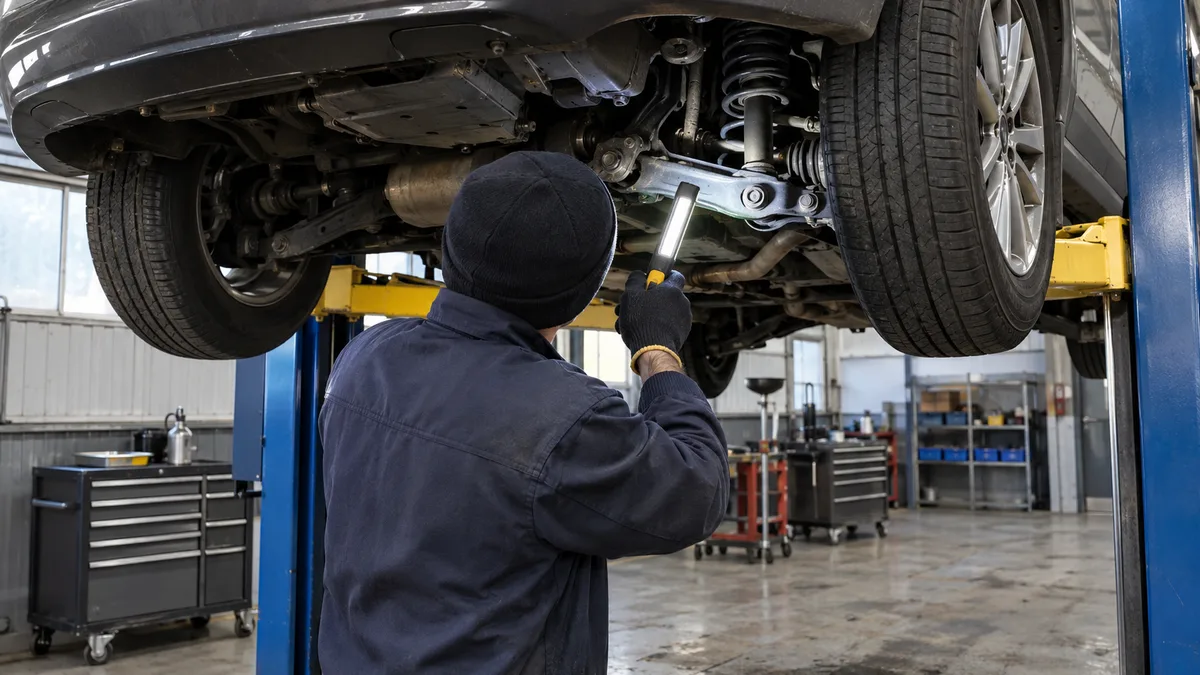
Budget for an independent inspection, history reports and state fees before you compare prices. Pay for an independent inspection that covers frame alignment, suspension and the airbag systems. Frame measurements or diagnostic scans can push the cost higher.
A state inspection is not proof of a good repair. California’s DMV warns that although many salvage vehicles are expertly repaired, some are not properly repaired or tested and may be dangerous to operate. Your mechanic should lift the car and look for poor welds, damaged crumple zones and frame damage. Before you shop, these simple tips to buy a used car help you spot structural problems and unverified repairs.
History reports are another line item. Order a vehicle history report from a provider such as Carfax or AutoCheck, and check NMVTIS as well. Finally, look up your state DMV’s fee schedule for any salvage or rebuilt inspection, title transfer and registration, because these fees differ by state.
Selling a car with a branded title
To sell a branded-title car, be open about the brand and show the paperwork. Disclosure rules differ by state, so check your state DMV’s rules. Whatever your state requires, state the brand in writing on the bill of sale, and keep repair invoices, parts receipts, photos of the damage and the state inspection paperwork to show buyers.
Private sales take longer and involve harder negotiation, and dealers may offer a low trade-in value. If you are moving to another car, these tips to sell your car before buying a better one can keep your listing competitive.
Common questions
Can you legally drive a car with a branded title?
It depends on the brand. A vehicle with an unrepaired salvage title cannot be registered or driven on public roads. Once it is repaired, passes the state’s inspection and is retitled as rebuilt, it can be registered, insured and driven. A junk or non-repairable title generally cannot return to the road at all. Inspections differ by state and do not prove the quality of the repair, so get your own mechanic’s check too.
Can a branded title ever be converted back to a clean title?
No. Moving a car to another state does not remove a brand under the rules, and NMVTIS is designed to help states deter title fraud. NMVTIS also notes that brand washing can still occur if a vehicle is retitled in a state that does not check with the state that branded it, which is why a history check across state lines matters.
Does a branded title void the manufacturer warranty?
It can. Each automaker sets its own rules for cars with a salvage or total-loss brand, so call the brand’s customer service with the VIN and ask what coverage, if any, remains before you buy.
Is buying a rebuilt title car ever a good financial decision?
Yes, in the right case. If the original damage was cosmetic, such as hail dents, the repair records are complete and an independent mechanic approves the car, the lower price can be real value. It works best for cash buyers who plan to keep the car for many years, so financing limits and resale value matter less.